The Teaching Bug!: reading strategies

Showing posts with label reading strategies. Show all posts
It all starts in the month of February.  You know what I'm talking about?  After a long winter of no color in the trees or pretty flowers to enjoy....I crave some fresh new colors in my classroom.  How about you?   This is where this Donut Fun Phonics packet comes in.  And, who doesn't love donuts?   I know I do.  I was looking for something to perk up our reading centers and this little pack did the trick.  We are working on vowel teams and blends.  So this center was just what we needed to reinforce those skills.  The best part …it's a one-time print and cut and then we're ready to go.  So go grab one of your parent volunteers and ask them ever so sweetly to cut them out for you.  I love parent volunteers...don't you?  
But first, take a look at what you'll find inside. 

Each vowel team or blend has its own box ready for your students to fill up with yummy donuts.

Each of the sets has picture cards for students to sort out which one goes in each box.  

And finally, there is a recording sheet for students to write out the words.  These are optional but it gave my students great practice on spelling words.  
If you like it you can grab it here.


                                                *** This post will contain affiliate links*****

   One of my favorite things to discuss with my guided reading groups is figurative language.  Why???  you might ask.  Well, because it can add so much to our reading and writing instruction time.  My students love hearing and pointing out examples of simile, onomatopoeia (love saying this word), alliteration, personification, hyperbole, and idioms.  I love that we can enrich our reading time with more strategies to help our little readers and writers blossom .  

Here is how my lessons go:  

Guided Reading Groups:
    During our guided reading times we begin by introducing each skill individually with many examples to help my readers understand how to detect and find them in their reading.  First, we start off by taking simple notes and adding them to our interactive notebooks we keep for reading and grammar.  Here below we glue in the definition and then I have my students write examples of the skill around the gumball machine.    I have found that I like to use standard spiral notebooks for my interactive notebooks because we can add full pages and notes.  


     During our next meetings we will have one book on hand that we will read and share that illustrates the example of the figurative language we are working on (hyperbole, idiom, alliteration,etc).  As you will find in the pic above I have a piece of literature I use with each skill and we record our findings on the note cards which we add to our notebooks. 
Very guided at this point to assure that my students are learning and understanding the concept.  
Independent Practice
   After we have covered two of the figurative language styles or more whichever you group is comfortable I use these interactive activities to informally assess my students while I am working in our reading groups.  These pages are designed for my students to independently cut apart and glue down their answers on the page.  They are instructed which set to cut out and then they complete the activity independently.   Work is placed in their interactive notebooks and then I can check when we meet for their reading group.  
Here is a sample of our finished product in our notebooks.  :)  


Task Cards
    After informally assessing where my students were I also added these task cards to my reading centers or as tasks for my students to complete while I was working with my reading groups.  Students were told which bags to get out either A,B,C, D,... depending on which ones we had covered at that point and then given a recording sheet to work as partners to identify the correct example of figurative language.  Each task card is labeled with the alphabet and you know as the teacher which letter corresponds with which figurative language.  :) 


Culminating Activity
      Now I don't know about you but I like to have a little fun in my classroom and sometimes a game is what you need to get those kiddos motivated to learn.  As we wrap up all of our learning and we have grasped all the concepts of figurative language I like to play "Pop, I know that!"  A little game I created to challenge my students.  Divide the class into two teams and have the cards placed face up in a row along a set of desks.  Each team sends up a player and then either the teacher or another student reads "Pop, I know that" card and the first player who correctly grabs the Pop I know that card with the correct figurative language word on it gets a point for their team.  It is so much fun and the kids love playing.  


This was such a fun little unit and my students loved the gumball theme with the bright colors and learning all about figurative language.  If you like what you see you can get it here:  


Here is also a list of the books we used during our unit which were great examples for our guided reading meetings.  

Book Sources

By Dr. Seuss

By Peggy Parish
By Dr. Seuss

By Virginia Lee Burton


I hope your students enjoy it as much as mine did. 


 HOW WE LEARN TO VISUALIZE

 One of the many reading strategies I try and teach my struggling readers is to visualize what they are reading.  Research has shown that students who are struggling with reading comprehension actually benefit from visualizing the material they read.  Creating what I like to call a T.V. in their head. 

  So how do we do it in my classroom???  Well we start off with several mini lessons using small sentences to get us started practicing the skill.  A sample sentence would look like this:

   " Sam was so excited to see all the balloons hanging around the room.  He saw his superhero cake on the table beside a pile of presents he could not wait to open.  "

  After reading this sentence I grab our white boards and then we draw what we saw.  We would draw a cake, balloons, and Sam.  We talk about how to create those pictures in our head.


HOW WE PRACTICE THOSE SKILLS

  After many lessons and practice using the skills, I decided it was time to take our lesson one step further.  We plan on looking at small passages and highlighting key words that will help us visualize after each small paragraph.  As we read the paragraphs we will go back with our pencil and highlight those key words that help us visualize what the passage is about. 
Next, we take a look at the pictures below our paper and check out which ones would be a best fit to the words we highlighted in each paragraph. 


   Finally, we glue them on and then check in our passage to make sure we visualized the correct picture to go with the passage. 

 The stories I created follow a theme and there is one for each day of the week.  On Friday my students are given review questions to practice their comprehension skills over the week. 

You can find these pages here:


After working with two great groups of readers this year, I tried to focus on several skills that they were struggling with.  One of the areas we worked on heavily was the skill of comprehension.  Comprehending what we read can be tricky for struggling readers because if the passage is too hard or they struggle to decode the words they are reading then comprehension is lost or difficult for them. 

So here are some tips that I used to help my readers practice the skill of comprehending what they read. 

1.  Short passages

Some of my readers were first graders reading on a kindergarten reading level.  We began reading short passages that had a lot of high frequency words easily recognized and short simple stories that helped them remember what they were reading about. 

2.  Picture Walks

Before we began any type of reading we would walk through a text full of colorful illustrations that depicted the story.  This helped ease any fears of not knowing what the story was about.  This also helped them recall some facts or things they knew prior to reading. 

3.  Visualize, Visualize, Visualize

I recently read a great article and a tip on how to make the skill of comprehension a little easier.  This is a great read.  During my reading sessions with my little readers we would stop during the story and visualize what the story was doing.  We would also visualize for a moment or infer what might happen next. Click on the picture to read this article from The Struggling Homeschooler. 
http://www.thehomeschoolmagazine-digital.com/thehomeschoolmagazine/201212/?linkImageSrc=/thehomeschoolmagazine/201212/data/imgpages/tn/0035_tkhftv.gif/&u1=texterity&pg=35&pm=2#pg35

4.  Teach several strategies

Another great resource I found was this chart found at wiki-teacher.com.  I plan on printing out this chart on cardstock and laminating them for my reading groups. I love this chart because the pictures will help my littlest emerging readers and give them a visual reminder of skills we will be working on when we need to comprehend what we are reading.   


Over the summer, I uploaded a packet that I used with my students this year to help with comprehension.  I created this because I often struggled finding short , easy to read passages, for my students to read and answer questions.  Head on over to my TpT store to get a free sample of it with 3 stories to use and then you can purchase the bigger packet with 20 more stories. 

http://www.teacherspayteachers.com/Product/Free-Super-Comprehension-Pack-in-a-Snap-Pre-KKindergarten-1344184


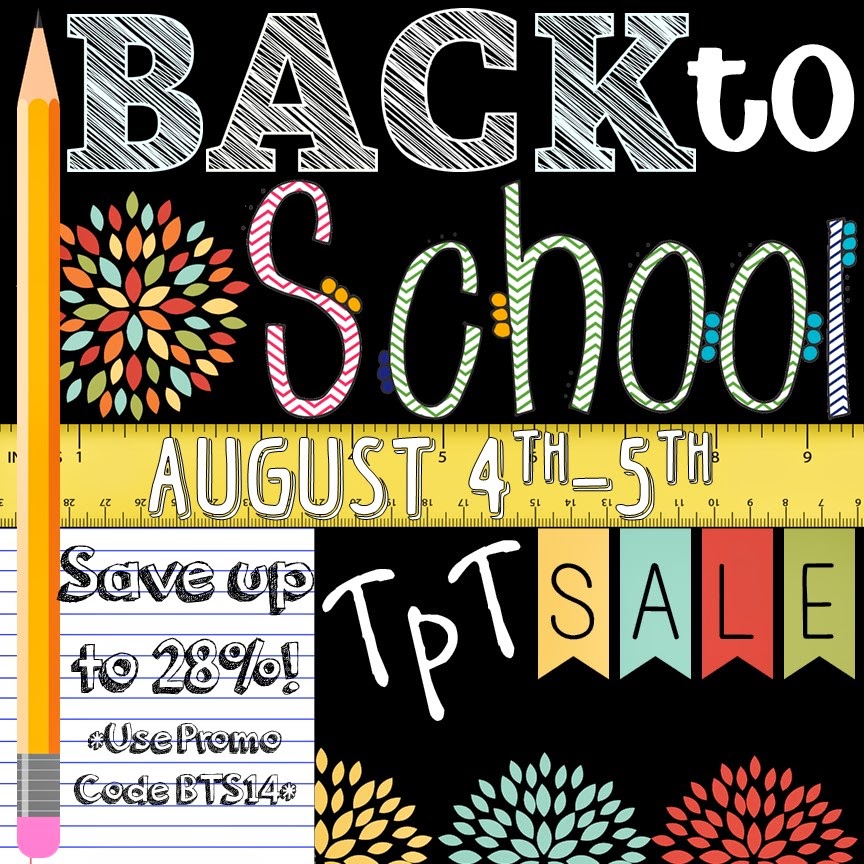
Want to get the pack on sale????  Teachers Pay Teachers is having their huge Back to School Sale starting August 4-5th.  My store will be on sale along with additional savings from TpT.  Thanks to Scooting through Second for the cute banner!  Love it! 
http://www.teacherspayteachers.com/Store/The-Teaching-Bug

Design by Delightfully Creative. Powered by Blogger.